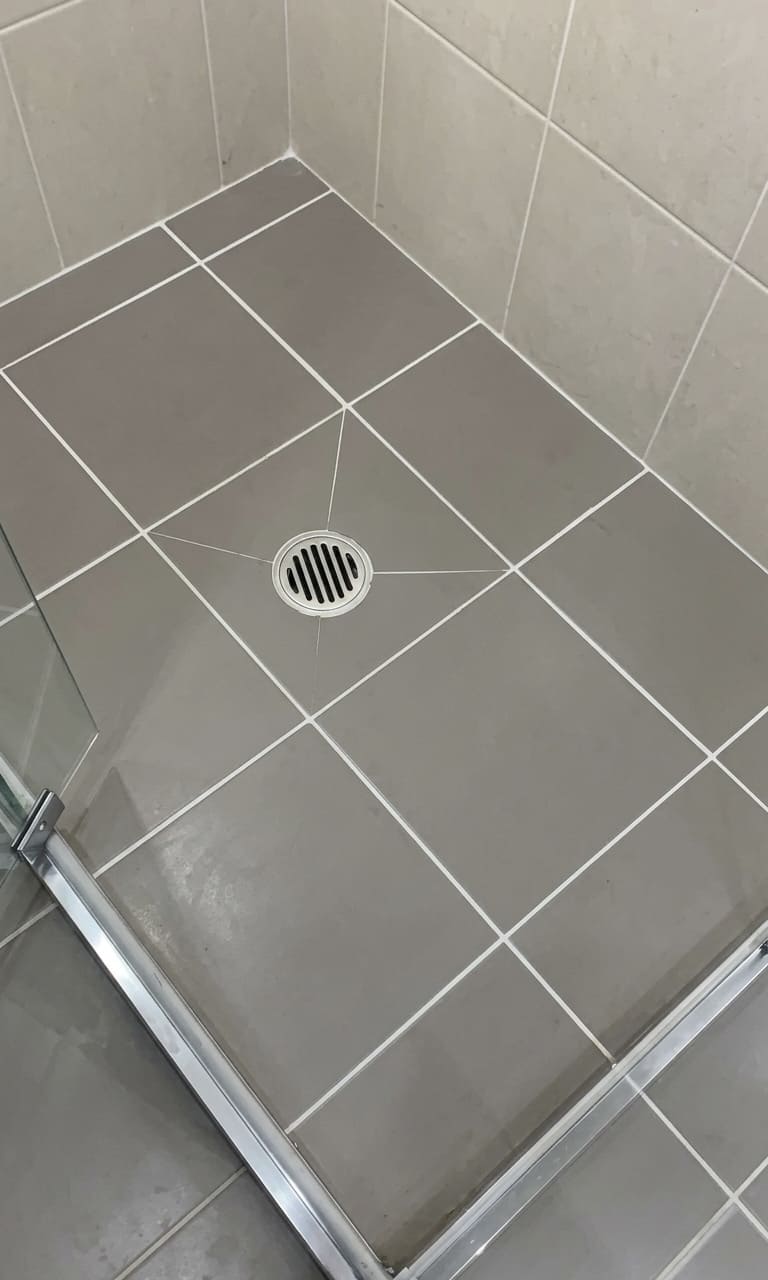
Toronto & GTA • Caulking only
Silicone Removal in Toronto & GTA
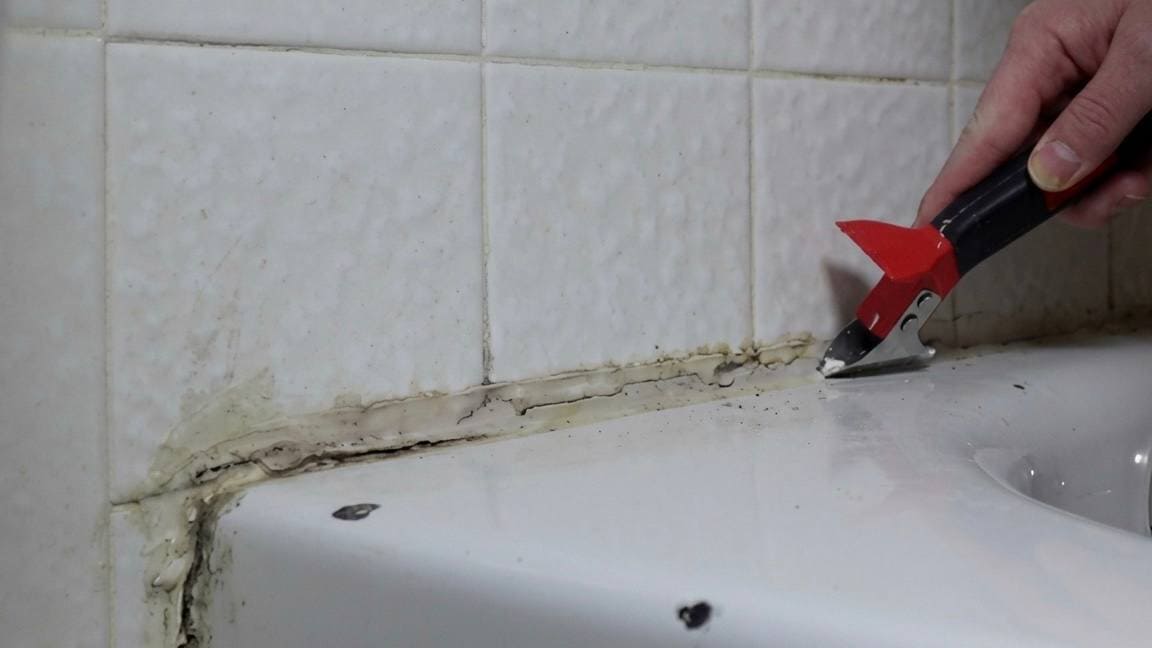
Old silicone removal is the difference between a quick patch and a long-lasting seal. We cut out failing beads, remove residue, prep the joint, and re-seal for a clean bonded finish.
Fastest first quote: send your contact details, your area, and a short note about what is failing. If photos help, we'll ask for them by text or email.
What’s included
Old-bead removal, residue cleanup, and proper prep before a durable re-seal.
Scope of work
- Cut out old silicone/caulk and remove residue.
- Clean and prep surfaces for adhesion.
- Re-seal using the appropriate silicone/sealant.
- Tool clean edges and confirm cure guidance.
Pricing factors
- How much old material must be removed.
- Type of surface (tile, metal, vinyl, stone).
- Residue cleanup time required.
- Total joint length and access constraints.
Silicone Removal - Proper Prep for a Durable Re-Seal
Removal is a separate service for a reason. If silicone residue is left behind, new sealant will not bond well and the line will fail early.
When removal is required
- Peeling silicone in bathrooms, kitchens, and wet zones.
- Exterior beads that separated from one side of the joint.
- Messy lines from a previous DIY job that cannot be tooled clean.
- Any area where water is getting behind the bead.
We cut, lift, and remove the bead, then work on residue. The goal is a clean surface that a new sealant can actually stick to, not just a better looking line.
Clean surface, clean finish
- Mechanical removal for bulk material and edges.
- Careful cleaning so the substrate is not damaged.
- Prep for the next step: re-caulking with the right product.
- Consistent lines with no leftover film at the edges.
If you already have a preferred sealant color, tell us in the request. Photos of the joint help us confirm what is needed before we arrive.
Common questions we confirm
- Is the joint moving or separating because of a gap behind the trim?
- Does the area need foam or backer rod before sealing?
- Which product matches the location - wet area silicone vs exterior sealant?
Nearby areas and related examples
Use these links if you want to see where this type of work is common and compare a similar job before requesting a quote.
How It Works
Fast quoting, careful prep, and a clean surface ready for new sealant. Photos help us estimate faster.
1. Send your contact details and scope
Call or use the form. Tell us where the old silicone is failing - bathroom, kitchen, windows, trim, or exterior joints - and your city.
2. Confirm residue and surface condition
We confirm how much material needs to be removed, whether residue cleanup is required, and if re-caulking is part of the job.
3. Remove cleanly and prep the area
We strip the old silicone carefully, clean the joint area, and leave the surface properly prepared for the next step.
When silicone removal is the right first step
A new bead only holds properly when the failed material underneath is removed cleanly and the joint is prepared for a real re-seal.
Common signs removal is needed
- Old silicone has layered up over multiple repairs and now looks thick, torn, or contaminated.
- Residue is still visible in corners, on glass, or along frame edges after a previous patch.
- The next re-caulking job needs better adhesion and cleaner lines than a surface touch-up can deliver.
- You want the area reset properly before sanitary silicone or exterior sealant is installed again.
Usually followed by
- Bathroom Re-Caulking for tubs, showers, vanities, and other wet-area joints.
- Exterior Caulking when failed perimeter lines have to be stripped before resealing.
- Residential Caulking hub if several removal and re-seal items are being compared together.
Why proper silicone removal matters
A clean re-seal starts with removing failed residue. This service is often the difference between a quick cosmetic fix and a repair that actually lasts.
Adhesion starts with prep
New sealant will not hold well if residue, soap film, or old silicone is still sitting in the joint.
Cleaner finished result
Removal lets us rebuild the line with straighter edges and a more consistent profile instead of sealing over a messy base.
Useful across wet and dry areas
This step is common before bathroom re-caulking, window perimeter work, and selective reset work around visible joints.
FAQ - Silicone Removal (Toronto & GTA)
Short answers. Share your contact details and a short message to start the quote.
Why not just add more silicone on top?
Silicone often won’t bond reliably to failing silicone. Proper removal + prep is the durable approach.
Do you remove residue after cutting it out?
Yes. Residue can prevent adhesion and make lines look messy.
Can you remove silicone from glass/metal frames?
Often yes. Share the details first so we can confirm the safest approach. If photos help, we'll ask for them after we reply.
Is removal dusty or messy?
We keep the area tidy and control debris; cleanup is part of the job.
What sealant do you re-apply with?
It depends on the location (wet area vs exterior) and the substrate.
How fast can you quote?
Send your contact details, your area, and a short note about the job. If photos help, we'll ask for them after we reply.
Related Residential and Envelope Services
Useful next paths for homeowners and condo clients comparing related sealing scopes.
Request a quote
Leave your contact details and a short message about the work you need. If photos help, you can send them after we reply.
Caulking only
We stay focused on sealant work, prep, and clean finish details instead of mixing in unrelated trades.
Clear scope first
We separate touch-ups, full removal, foam prep, and grouped multi-area work so the quote matches the real job.
Residential + commercial
Bathrooms, exterior joints, condo units, storefronts, and selective fire-stopping all follow a clearer service path.
Clean finish guidance
We explain prep, cure time, access notes, and the next step before the area goes back into use.
Call, text, or email
Phone: (416) 302-3559
Service area: Toronto and the GTA
Email: quote@caulkpro.ca
What to include in your message
- What kind of issue you noticed.
- Which area needs attention.
- Any timing details that matter.
- You can send photos after we reply.